If you’re an event planner in London, you already know how competitive this industry is. Every day, potential clients are searching for “event planner near me” or “wedding planner London” on Google. But here’s the uncomfortable truth: 87% of event enquiries start with a Google search, and if your website isn’t showing up—or worse, if it looks unprofessional—those potential bookings are going straight to your competitors.
We’ve worked with hundreds of event planning businesses across London. Wedding planners. Corporate event organisers. Party coordinators. Festival planners. And the pattern is always the same: businesses without a strong web presence are losing between 40-60% of potential enquiries. But those who invest in a custom, professionally-designed website? They’re seeing booking increases of up to 156%.
The good news? You don’t need to spend £5,000 or £10,000 on a website. You don’t need to wait months for it to go live. At Web Design London, we specialise in creating high-converting event planning websites from just £499, with launch in just 7 days. This guide will show you exactly what you need in an event planner website, why it matters, and how to get one that actually drives bookings—not just looks pretty.
What Event Planners Really Need in a Website
Before we dive into the technical stuff, let’s talk about what actually matters. Your website isn’t a brochure. It’s a sales tool. Every page, every image, every word should be designed to do one thing: convince potential clients to get in touch with you.
Event planners have unique needs compared to other service businesses. You’re not just selling a product—you’re selling experience, trust, and expertise. Your potential clients are making big decisions. A couple planning their wedding. A company planning their annual gala. A parent booking their child’s birthday party. These decisions come with pressure and they need reassurance.
A strong event planner website does five things exceptionally well:
1. Showcases Your Portfolio Visually
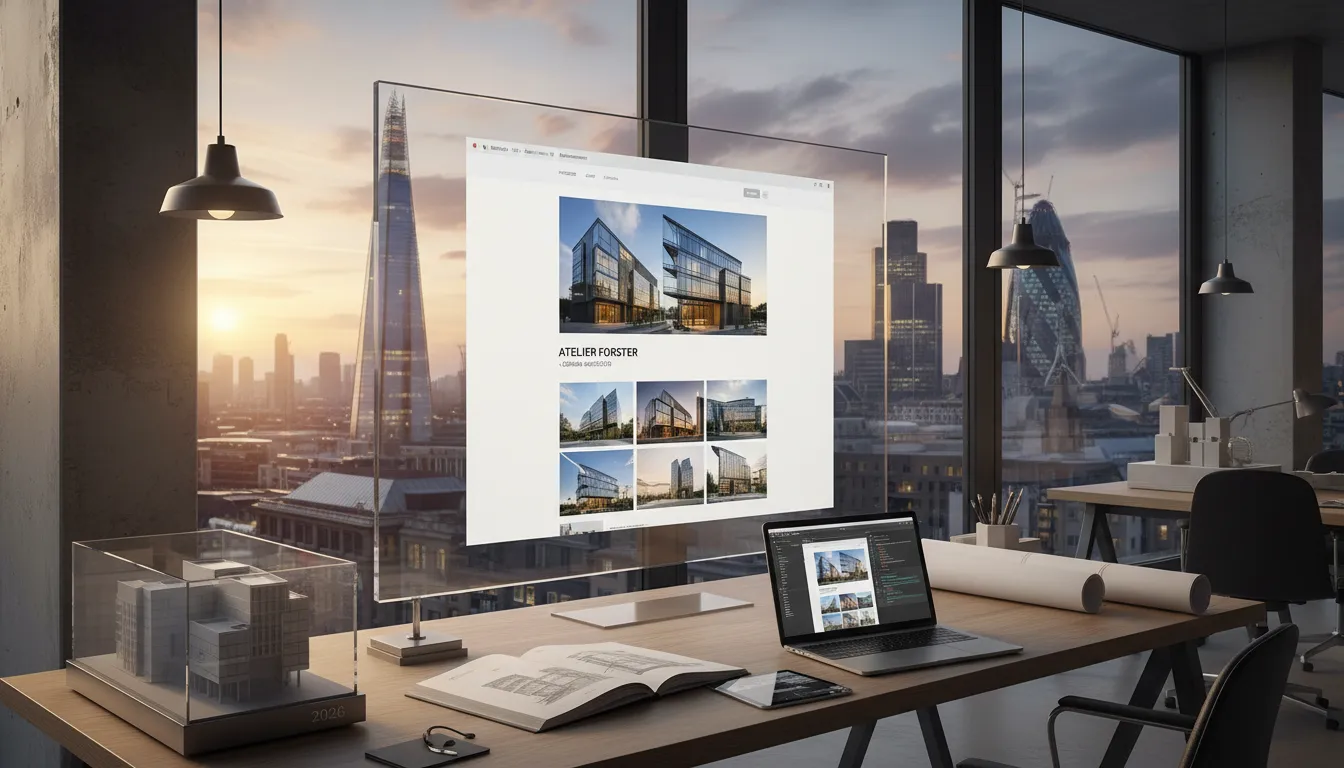
Event planning is visual. Your work is beautiful. Your website needs to prove it instantly. The first thing a potential client should see is stunning photography of your past events—not walls of text about your experience. High-quality portfolio images increase enquiry conversion rates by up to 240%. If your website is text-heavy and image-light, you’re leaving money on the table.
2. Makes Booking Ridiculously Easy
The friction between interest and enquiry kills bookings. If a potential client has to hunt for your contact form, or if the form asks too many questions, they’ll leave. Your best websites have a visible “Get a Quote” or “Book a Consultation” button on every page. Mobile users should be able to click one button and reach out. Simple.
3. Builds Trust Through Social Proof
Event planning is a trust-based business. Nobody hires a planner they don’t feel confident about. Your website needs client testimonials, reviews, case studies, and clear information about your experience. If you’ve won awards, mention them. If you’ve been featured in publications, showcase that. This isn’t bragging—it’s providing the reassurance clients need before they commit.
4. Explains Your Process Clearly
Many potential clients have never hired an event planner before. They don’t know what to expect. A clear breakdown of your planning process—from initial consultation to post-event follow-up—removes anxiety and makes people more likely to reach out. “Our Process” pages convert significantly better than vague service descriptions.
5. Targets Search Engines
This is where most event planning websites fail. They look beautiful but they’re invisible on Google. A properly optimised website will rank for searches like “wedding planner London,” “corporate event planner,” “party planner near me,” and dozens of other terms potential clients actually use. This is called SEO (Search Engine Optimisation), and it’s the difference between getting consistent enquiries and waiting for the phone to ring.
The Essential Pages Your Event Planning Website Needs
Building an event planning website from scratch can feel overwhelming. But it doesn’t have to be. You need a core set of pages that cover every stage of the customer journey. Here’s what we recommend:
Homepage
Your homepage has one job: communicate what you do and why you’re the best choice in 5-10 seconds. Visitors should immediately understand the types of events you plan (weddings, corporate events, etc.), see stunning imagery from past events, and see a prominent call-to-action. The homepage isn’t about telling your life story—it’s about making the right impression fast.
Service Pages (Detailed)
Create individual pages for each type of event you plan. A wedding planner needs dedicated pages for weddings, engagements, receptions. A corporate event planner needs pages for conferences, product launches, team building, galas. Each page should explain what makes your approach unique for that specific event type, include relevant portfolio examples, and have its own call-to-action. This also helps with SEO—when someone searches for “wedding planner London,” Google can match them directly to your wedding page.
Portfolio or Gallery Page
This is your showstopper. High-quality photography of real events you’ve planned. Organised by event type. Each image should have a brief caption explaining the event details—the client, the scale, any unique challenges you overcame. This page builds credibility and gives potential clients a clear sense of your style and capabilities.
About Page
People buy from people. Your About page should tell your story, explain your approach to event planning, highlight your experience and qualifications, and include a professional photo. This is where you build emotional connection. It’s also a great place to mention awards, media features, and notable clients (if you have permission).
Testimonials Page
Dedicated testimonials page with photos of happy clients, their full names, and specific details about their events. Video testimonials perform even better. If you have case studies—detailed breakdowns of how you solved specific planning challenges—include them here.
Contact / Booking Page
Multiple ways to get in touch. A contact form (keep it short—name, email, phone, event type, event date). Links to your phone number. Your email address. If you use a booking system, embed it here. Make contact ridiculously easy.
FAQ Page
Answer the questions potential clients always ask. “What does event planning cost?” “How far in advance do I need to book?” “What areas do you service?” “Can you work with my existing vendor?” Every question answered on your FAQ removes a barrier to enquiry.
How to Build Your Event Planning Website Fast: The 7-Day Process
Here’s where we get practical. You don’t need months to launch a professional event planning website. Here’s how to do it in 7 days:
Day 1-2: Content Audit and Planning
Gather all your content. Portfolio images (minimum 12-15 high-quality photos). Testimonials from past clients (aim for at least 5). Copy about your services. Your story. FAQs. Start with a rough outline of what goes on each page. You don’t need perfect copy yet—rough notes are fine.
Day 3-4: Website Build and Design
This is where a professional designer comes in. Rather than spending weeks on design tweaks, we focus on a clean, professional template customised to your brand. Colours that reflect your style. Fonts that feel professional. Images placed strategically. The goal: fast, not perfect. A “good enough” website that launches beats a “perfect” website that never happens.
Day 5-6: Content Population and Optimisation
Copy goes on pages. Images get optimised for web (fast loading is critical). Basic SEO optimisation happens—page titles, meta descriptions, alt text on images. Mobile responsiveness is checked. Forms are tested.
Day 7: Launch and Testing
Final review. All links tested. All forms tested on mobile and desktop. Contact forms are connected. Analytics are set up so you can track enquiries. Website goes live. You start appearing in search results.
This is realistic and achievable. The reason most event planners don’t have websites is they think it takes months. It doesn’t.
Portfolio Examples: What Works for Event Planners
To give you a real sense of what converts, let’s break down a high-performing event planning website structure:
Visual Hierarchy
The best event planning websites lead with images. A rotating carousel of your most stunning event photos. Below that, a clear value proposition: “We plan luxury weddings for discerning couples” or “Corporate events that create lasting impressions.” Then trust signals: “250+ events planned,” “Featured in Tatler,” “5-star rated.”
Service Offerings – Clear and Segmented
Rather than generic “event planning,” segment by event type. Each with a specific image, a specific description, and specific calls-to-action. This is better for Google (SEO) and better for conversion (clarity).
Social Proof – Specific and Detailed
Generic testimonials don’t convert. Specific ones do. Instead of “Jane was great to work with,” a high-converting testimonial reads: “Sarah planned our 200-person wedding in just 3 months. She managed our vendor relationships, handled budget overruns, and our guests still talk about how smooth the day ran. Best decision we made.” Name, photo, specific details.
Process Clarity
A step-by-step breakdown of how you work. “Initial Consultation” (we discuss your vision and budget). “Planning Phase” (we develop the full plan and source vendors). “Coordination Phase” (we manage all logistics up to event day). “Event Day” (we’re there to ensure everything runs perfectly). This removes uncertainty and increases enquiries.
Call-to-Action Placement
High-converting websites have multiple CTAs. In the hero section, in the footer, on service pages, on the contact page. Different visitors need different touch points. Some will click after seeing your portfolio. Others need to read about your process first. Make it easy wherever they are.
Pricing and Cost Breakdown: Affordable Event Planning Web Design
One of the biggest objections we hear is price. “Websites are expensive.” They don’t have to be. Let’s break down what you’re actually paying for:
| Component | Basic (£499) | Standard (£799) | Premium (£1,299) |
| ———– | ————– | —————– | —————— | <br /> |
|---|---|---|---|---|
| Homepage | ✓ | ✓ | ✓ | |
| 3-4 Service Pages | ✓ | ✓ | ✓ | |
| Portfolio Gallery | ✓ | ✓ | ✓ | |
| About Page | ✓ | ✓ | ✓ | |
| Contact Form | ✓ | ✓ | ✓ | |
| SEO Optimisation | Basic | Comprehensive | Advanced + Keywords | |
| Mobile Responsive | ✓ | ✓ | ✓ | |
| Email Integration | ✓ | ✓ | ✓ | |
| Analytics Setup | ✓ | ✓ | ✓ | |
| Stock Images Included | Limited | Standard | Premium | |
| Testimonials Page | – | ✓ | ✓ | |
| FAQ Page | – | ✓ | ✓ | |
| Blog Section | – | – | ✓ | |
| Premium Support | 30 days | 3 months | 6 months |
What’s the catch with £499?
There isn’t one. A £499 website is perfectly professional. It gets you online, it converts enquiries, it ranks on Google. The main difference with higher packages is additional features (blog, more pages, advanced SEO, extended support). But if you’re an event planner just starting with web presence, £499 covers everything you need to get booking enquiries.
What about ongoing costs?
After launch, your annual costs are minimal. Domain hosting: roughly £15-30 per year. Website hosting: £100-200 per year. Optional: email management, analytics tools (many are free). Total yearly cost: £150-300. That’s less than the profit from one average event booking.
Is there a catch with the 7-day turnaround?
Not really, but it does require you to be prepared. You need to have your content (copy, images, testimonials) ready. If you need time to gather content, timeline extends slightly. But the actual design and build process? 7 days is standard.
Tools and Resources for Event Planning Websites
If you decide to build your own website (though we don’t recommend it), here are the tools professionals use:
Website Builders
– Squarespace: Beautiful templates, excellent for portfolios. Easy to use. Cost: £100-200/year. Not ideal for SEO.
– WordPress: Most flexible. Requires more technical knowledge. Best for SEO. Cost: £100-300/year (hosting + themes).
– Wix: Drag-and-drop simplicity. Good for beginners. Limited SEO capabilities. Cost: £120-300/year.
– Webflow: Powerful but steep learning curve. Best results if you know design. Cost: £96-235/year.
Portfolio Showcase Tools
– Squarespace Galleries: Built-in, clean, professional.
– Flickr: Free portfolio hosting. Basic.
– Behance: Professional portfolio platform. Excellent for showcasing work.
Contact Forms
– Jotform: Free tier available. Excellent for event planning forms.
– Typeform: Beautiful forms. Converts better than basic HTML forms. £25-83/month.
– Gravity Forms: WordPress plugin. Most flexible. £49/year.
Analytics
– Google Analytics: Free. Essential for tracking where enquiries come from.
– Google Search Console: Free. Shows you what searches bring people to your site.
Email Integration
– Mailchimp: Free for up to 500 contacts. Great for newsletters.
– ConvertKit: Better for small businesses. £29/month.
SEO Tools
– Yoast SEO: Free WordPress plugin. Guides you through on-page optimisation.
– SEMrush: Comprehensive. Expensive (£99+/month) but excellent for competitive analysis.
– Ahrefs: Similar to SEMrush. £99+/month.
Real Talk: Building your own website takes 30-60 hours of learning and effort. For £499, we handle that. Your time is worth more.
Pros and Cons: DIY vs. Professional Web Design
Pros of DIY Website Building
– Complete control over design and messaging
– No ongoing agency fees
– Immediate availability to make changes
– Learning opportunity
– No timeline pressure from a third party
Cons of DIY Website Building
– Time-intensive (expect 40-80 hours)
– Steep learning curve for SEO
– Risk of poor mobile experience
– Limited design options within templates
– No professional feedback on conversion
– Bugs and technical issues common
– Slower website load times
– Poor performance in Google search results
– Inconsistent branding across pages
Pros of Professional Web Design
– Fast turnaround (7 days)
– Optimised for Google from day one
– High-quality design that converts
– Mobile-perfect experience
– Professional copywriting
– Analytics setup and interpretation
– Support and updates
– Peace of mind
– Ongoing optimisation
Cons of Professional Web Design
– Initial cost (though £499 is minimal)
– Less direct control over design choices
– Reliant on designer for changes (though good designers offer support)
– Potential for over-engineering simple needs
The Verdict: For most event planners, professional web design is the right choice. The cost is minimal compared to what you’ll earn from additional bookings. The time savings alone justify the